
We have planted 98,204 verified trees and 180,000 verified kelp

Our Latest Impact Statistics

1,488
Tennis courts full of trees
Based on 98,204 trees committed, restoring 39 hectares of land, approximately the size of 1,488 tennis courts.

3,399
Planting hours created
Based on 98,204 trees committed, creating 3,399 planting hours across restoration sites.

337
Equivalent Cars
When our trees reach maturity they will have sequestered an estimated 1,551 tonnes of CO₂. Equal to the emissions generated by 337 gas-powered cars in North America in one year.

44%
Increase in food-secure families
A four-year study of farming families in the LifeTree System found a 44% increase in food security.
1,488
Tennis courts full of trees
Based on 98,204 trees committed, restoring 39 hectares of land, approximately the size of 1,488 tennis courts.
3,399
Planting hours created
Based on 98,204 trees committed, creating 3,399 planting hours across restoration sites.
337
Equivalent Cars
When our trees reach maturity they will have sequestered an estimated 1,551 tonnes of CO₂. Equal to the emissions generated by 337 gas-powered cars in North America in one year.
44%
Increase in food-secure families
A four-year study of farming families in the LifeTree System found a 44% increase in food security.

38,750
Bathtubs full of kelp
Based on 180,000 strands of kelp committed. That's about 38,750 bathtubs filled to the brim. 12.15
12.15Baby humpback whales
Estimated yield of 11,016 kgs of kelp, roughly the weight of 12.15 baby humpback whales.
63,734
Surfboards
Restored 484,380 sq feet of ocean area. That's like lining 63,734 surfboards side by side.
38,750
Bathtubs full of kelp
12.15
Baby humpback whales
63,734
Surfboards
Reforestation types
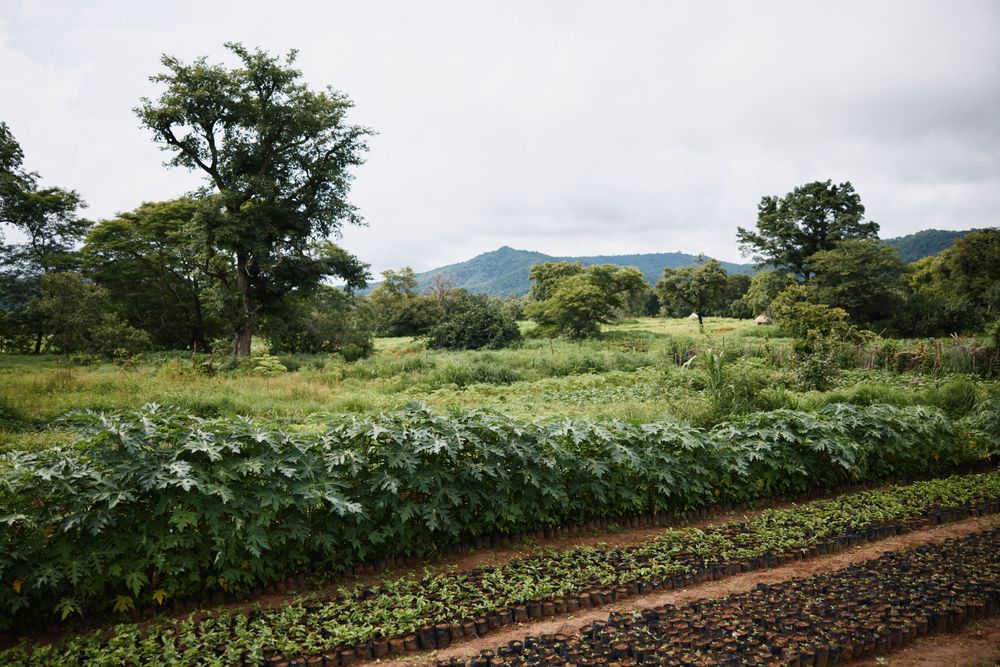
Agroforestry
Agroforestry combines trees, crops, and sometimes animals on the same piece of land to create productive and resilient ecosystems. By mimicking natural forest structures, these systems improve soil health, increase water retention, and diversify income sources for local farmers.
Examples include shade-grown coffee or fruit trees interplanted with staple crops, creating approaches that strengthen food security while restoring degraded land.
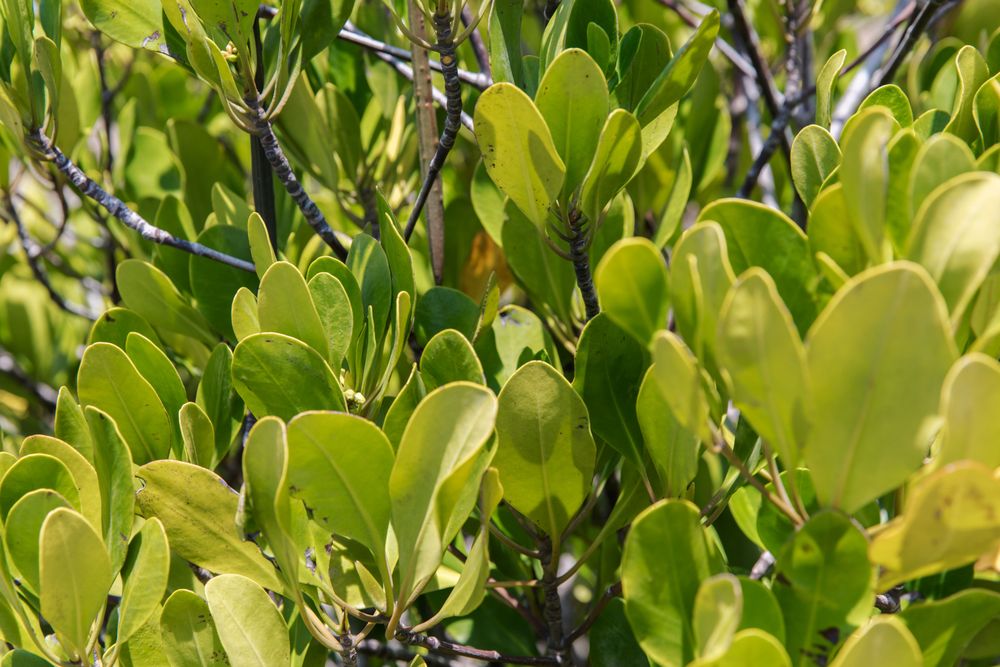
Mangroves
Mangroves are unique coastal forests composed of salt-tolerant tree species that thrive in intertidal zones where land meets sea. They serve as natural infrastructure, buffering against storm surges and coastal erosion, and their extensive root systems stabilize shorelines and trap sediments.
Mangrove forests are among the planet’s most effective carbon sinks, storing vast amounts of carbon in both biomass and waterlogged soils. These ecosystems also protect communities from coastal erosion, filter pollutants, and support fisheries that many people depend on for food and income.
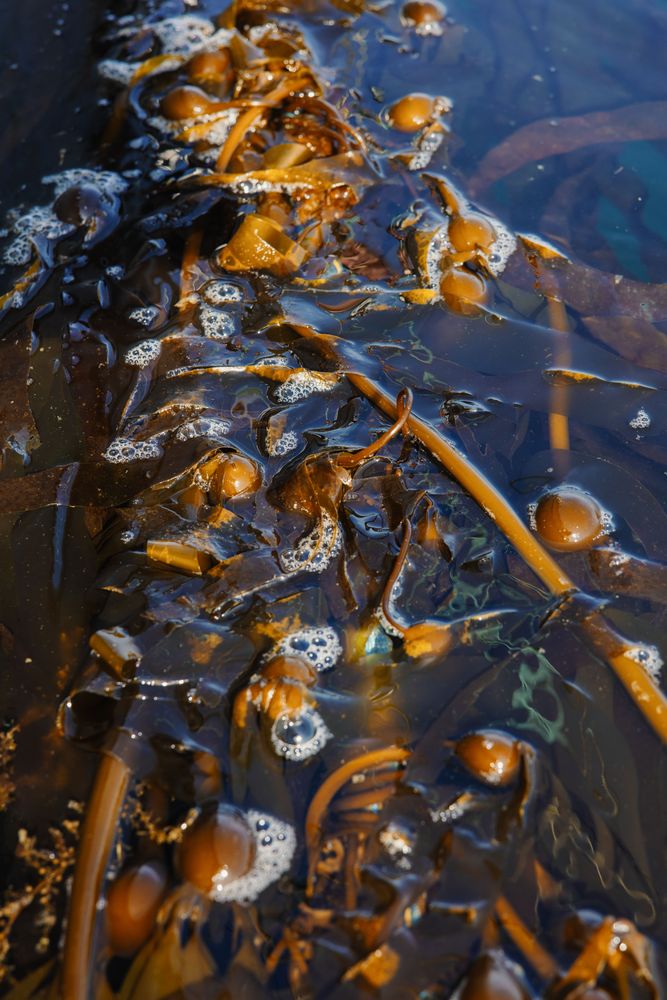
Kelp Seaforestation
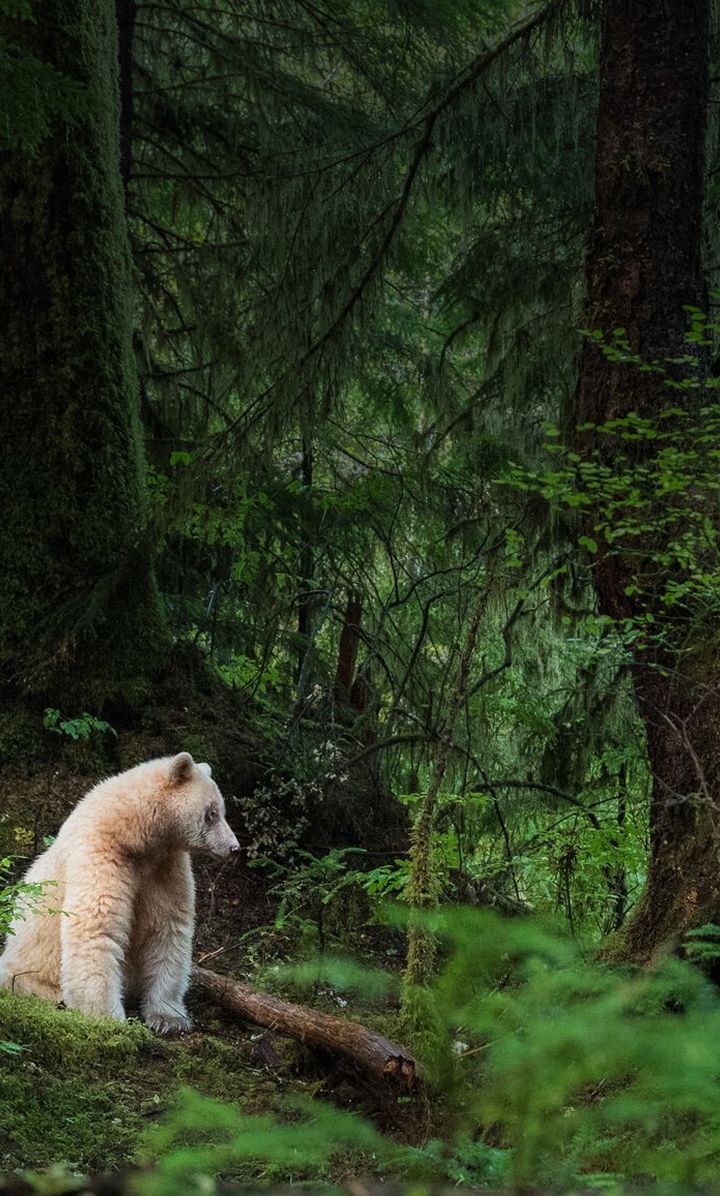
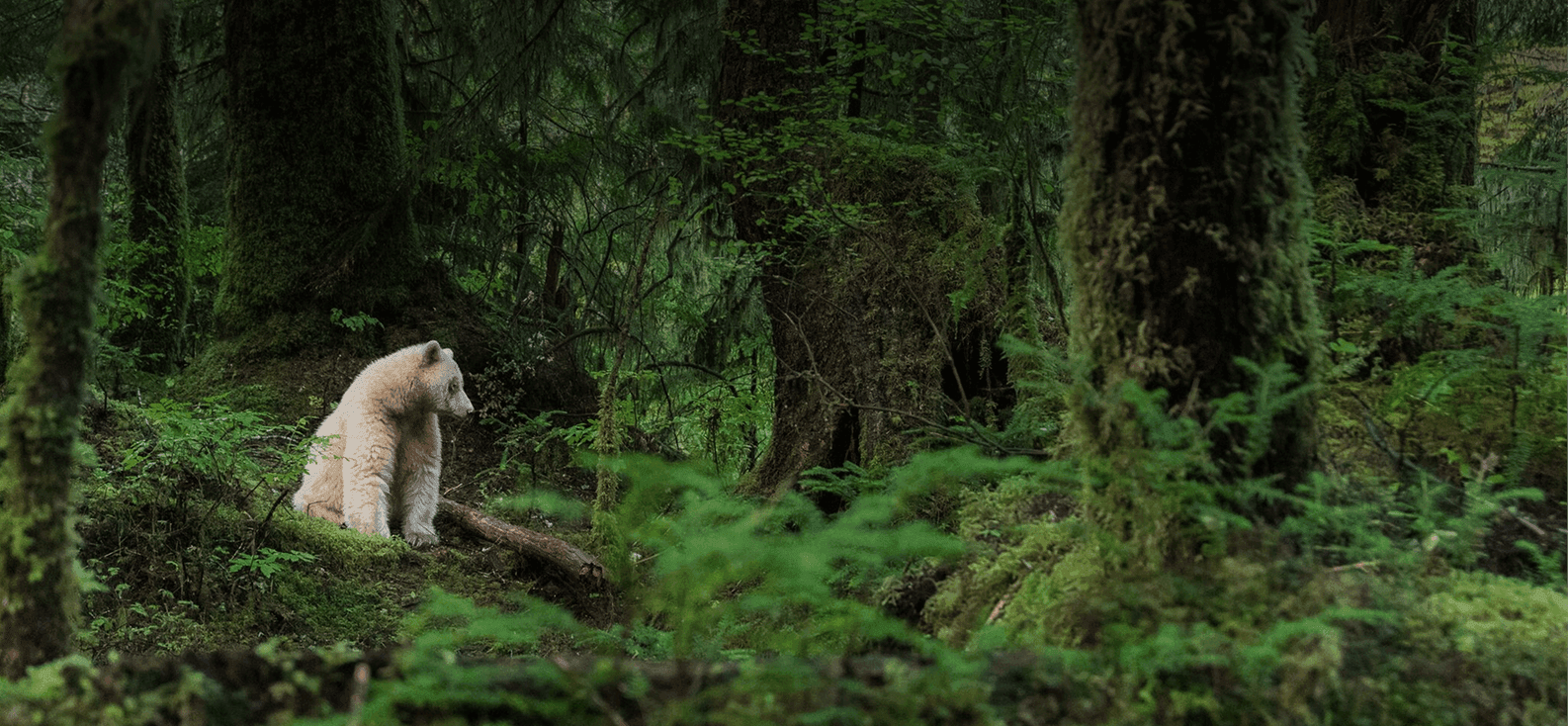
Kelp forests are underwater ecosystems that anchor marine biodiversity along coastlines. Along the West Coast of North America, critical kelp forests have been in decline due to the impacts of climate change.
The species being restored include bull kelp and sugar kelp. These underwater forests are powerful carbon sinks and provide essential habitat for a wide range of marine life, including salmon and sea otters.
Projected carbon sequestration from our forest
Hover or tap on the graph to reveal the estimated tonnes of CO2 projected to be sequestered1 over time as the forests grow.
Bees in our forest

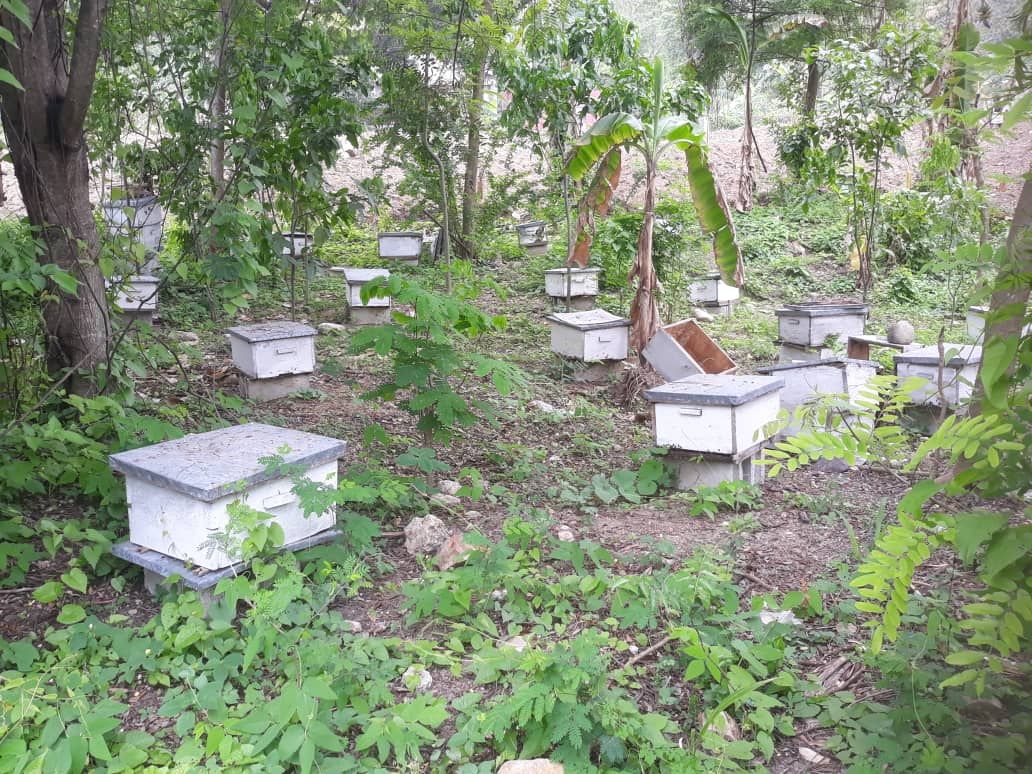
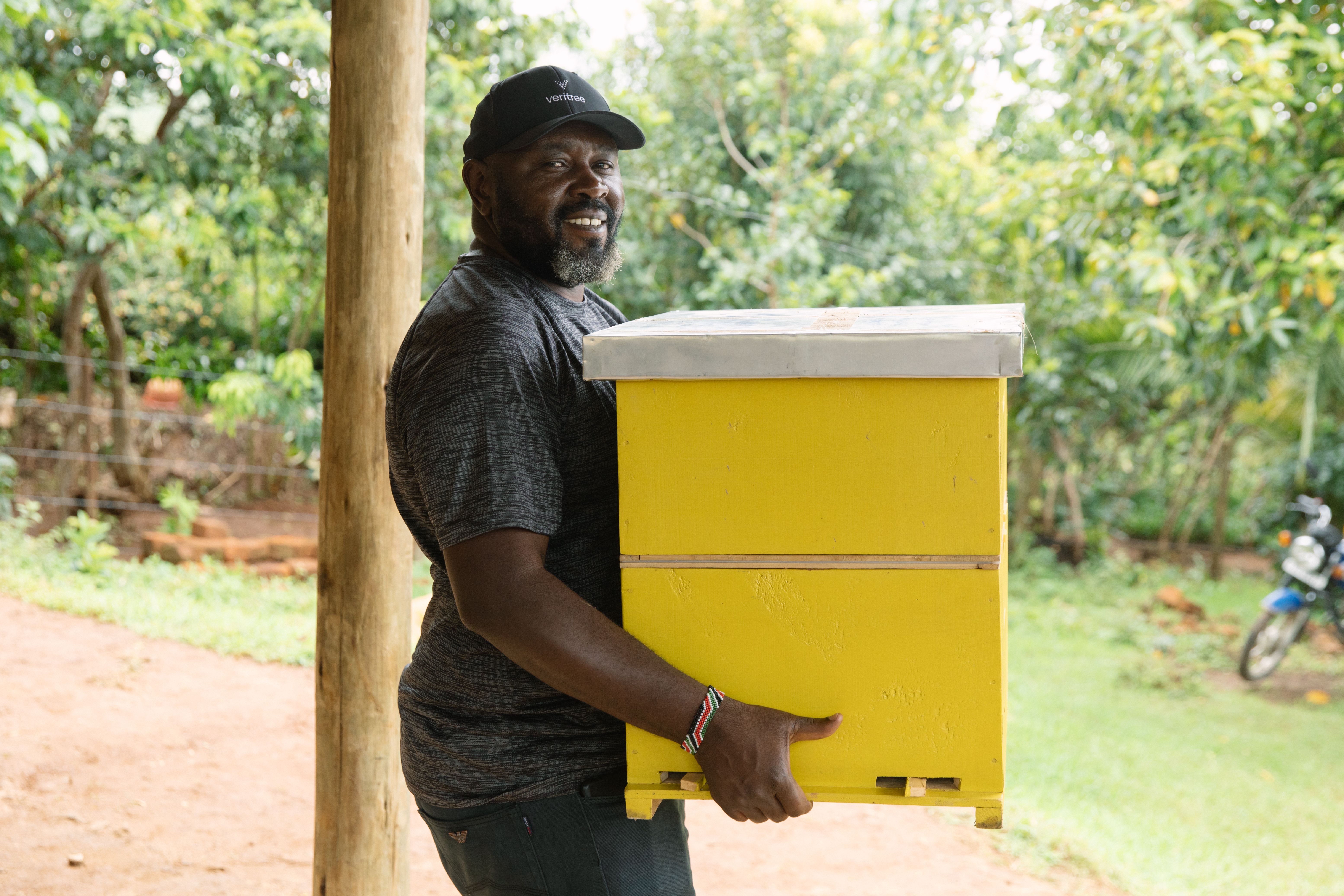
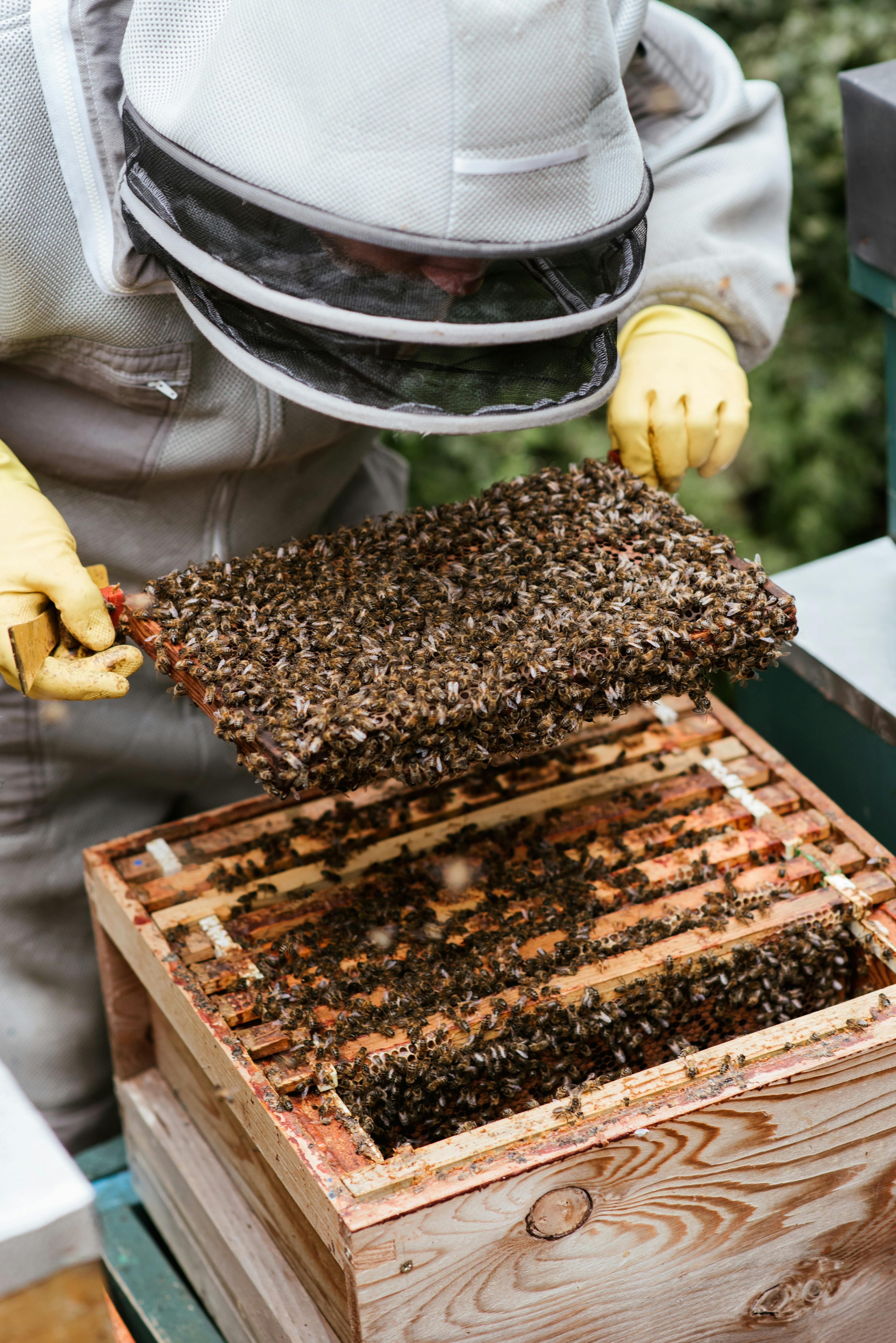
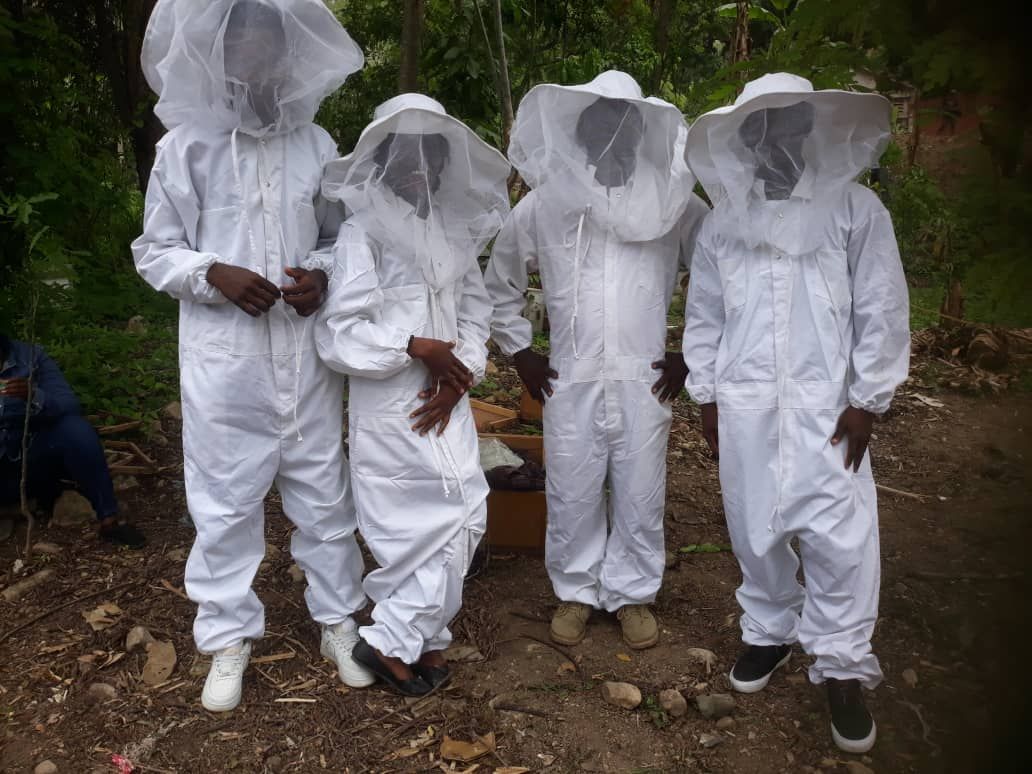

30
Beehives

1,800,000
Estimated total bees

Why we're investing in Nature-Based Solutions
          As leaders in health and wellness for over 100 years, we at Jamieson Wellness understand the next 100 years need to be restorative and sustainable. We must act now to protect the health and well-being of our people, the planet, and the communities we serve for years to come.

Globally, over 40% of kelp forests have declined due to climate change, overexploitation, and pollution. Kelp helps to mitigate climate change by sequestering carbon, absorbing nitrogen, and acting as a filter to clean our oceans. That’s why we’re working with veritree to restore underwater ecosystems off the Pacific coast of British Columbia. We believe we have a part to play in the net zero transition, while supporting local communities and regenerating nature.
Sustainable Development Goals supported
Frequently Asked Questions
What are Nature-Based Solutions?
'Nature-Based Solutions' is a term that describes actions which protect, sustainably manage, or restore ecosystems — such as reforestation, avoided deforestation, and broader ecosystem restoration.
When done well, investment in Nature-Based Solutions can support biodiversity, strengthen ecosystem resilience, and deliver co-benefits for local communities alongside environmental outcomes. When done badly, it may do more harm than good — which is why robust monitoring and verification matter.
Where does veritree plant trees?
veritree works with planting organizations across the globe to verify Nature-based Solutions (NbS) projects. They are initially launching the platform with planting projects in Canada, Kenya, Madagascar, United States, and Tanzania with plans to quickly expand to more sites in the coming months.
The veritree platform was built to be easily used by any restoration practitioner looking to develop and operate high-quality NbS projects. Their ground-level monitoring tools enable planting organizations in any location in the world to scale NbS. This enables veritree to connect planting organizations with corporate partners and donors to support their restoration initiatives.
How does veritree ensure the trees that are planted are protected?
veritree works closely with local communities to demonstrate the long-term value restored forests bring to their families. Through education and direct involvement in monitoring and reporting, local communities develop a sense of ownership over their trees, supporting effective, long-term forest stewardship.
Note: As with all nature-based restoration, not all trees are expected to remain in place throughout their full projected lifespan. Growth progress tracking is built into veritree's methodology to account for this. Survivability rates vary by ecosystem type, species, and region and are tracked at the site level.
How does veritree estimate its carbon sequestration rate?
veritree acknowledges that estimating carbon is complex and remains an evolving area of practice.
Current estimates draw on averages from a cross-section of academic studies. Key variables in veritree's estimation model include: species planted (including maturity age), forest type, region, and average tree survivability.
Where primary data are unavailable, veritree applies conservative secondary data, proxy data, or assumptions to avoid overestimating outcomes. veritree continues to build academic partnerships to improve its methodology over time.
Note: All carbon sequestration figures are indicative in nature. Given the current degree of uncertainty in measurement and calculation methods for nature-based carbon sinks, these totals should be treated as estimates rather than verified outcomes. These figures are independent of any third-party carbon neutral certification calculations.
What is the difference between verified restoration and verified carbon credits?
Both involve trees and verification, but they serve different purposes.
Verified carbon credits are tradeable units, each representing one tonne of CO₂ that has been quantified, third-party certified, and registered under a recognized standard. Buyers retire them against their own emissions to support formal offset, neutrality, or net-zero claims. To qualify, projects must meet strict criteria around additionality, permanence, and leakage, as formally laid out by standards bodies.
Verified restoration, veritree's core focus, is about putting trees in the ground and confirming they're actually there and surviving. Every planting is geo-tagged, monitored on the ground, and tracked over time, so partners can see exactly what their funding accomplished. The "verified" refers to the planting itself: the trees, the hectares restored, the communities employed, and the survival rates.
Verified restoration on its own does not generate carbon credits or substantiate offset, carbon-neutral, or net-zero claims. For organizations specifically working toward those claims, veritree can also facilitate access to verified carbon credits sourced from established project developers. This workstream is separate from our restoration efforts, and offered alongside it for partners who need that pathway.
Our emphasis remains on restoration. We believe trees are worth planting for what they genuinely deliver: living ecosystems, biodiversity, climate resilience, and meaningful work in the communities where we plant. Restoration is its own kind of impact, and it stands on its own.
How does veritree ensure permanence and additionality of its project portfolio?
veritree supports projects that are designed to create meaningful, lasting impact. veritree collaborates closely with corporate partners and local planting partners from project design through planting and beyond. We work to identify areas and conditions where restoration efforts can make a genuine difference and contribute to revitalization of nature.
To support durable change, veritree conducts on-the-ground monitoring. Furthermore, long-term remote sensing tools, such as satellite imagery, are used to track forest growth and health.
While these measures are designed to give projects the best possible chance of lasting impact, it is important to note that permanence cannot be fully guaranteed in nature-based restoration. Ongoing monitoring is part of how veritree manages for this uncertainty.
What do veritree's 3 levels of verification mean?
Level 1 - The first level of verification is complete once planting planters have submitted their planting form, activities, and applicable evidence through veritree's Collect App.
Level 2 - During the second level of verification, planting site management (leads and supervisors) check the data and information submitted via a planting site review and data check.
Level 3 - The third and final level of verification is conducted by veritree. At this stage all submitted data and evidence is analyzed by their internal machine learning algorithms to check for accuracy.